
Discover why archiving family recipes digitally preserves your culinary heritage, boosts cooking confidence by 70%, and transforms meal planning with organized, searchable collections.
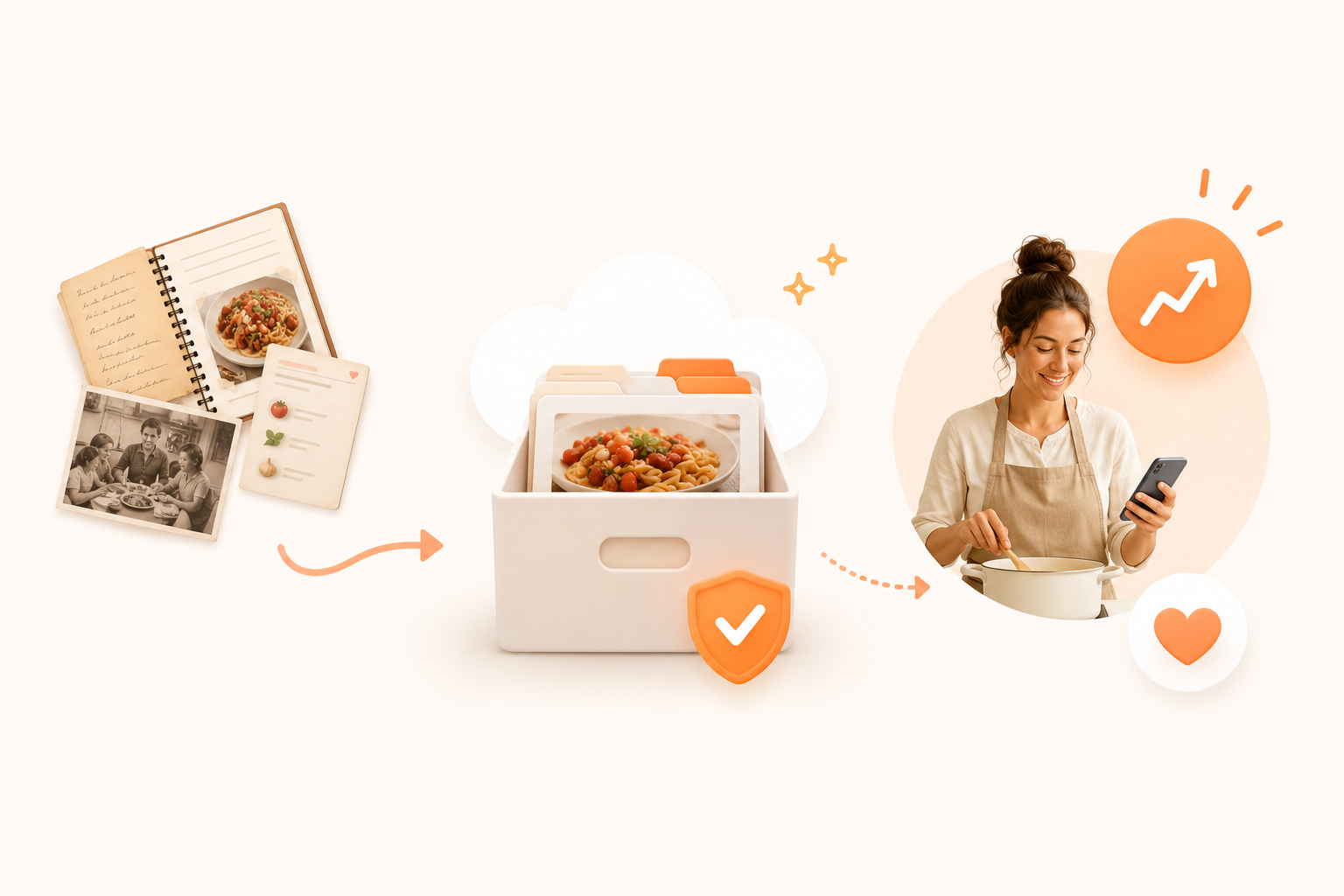
Product evidence
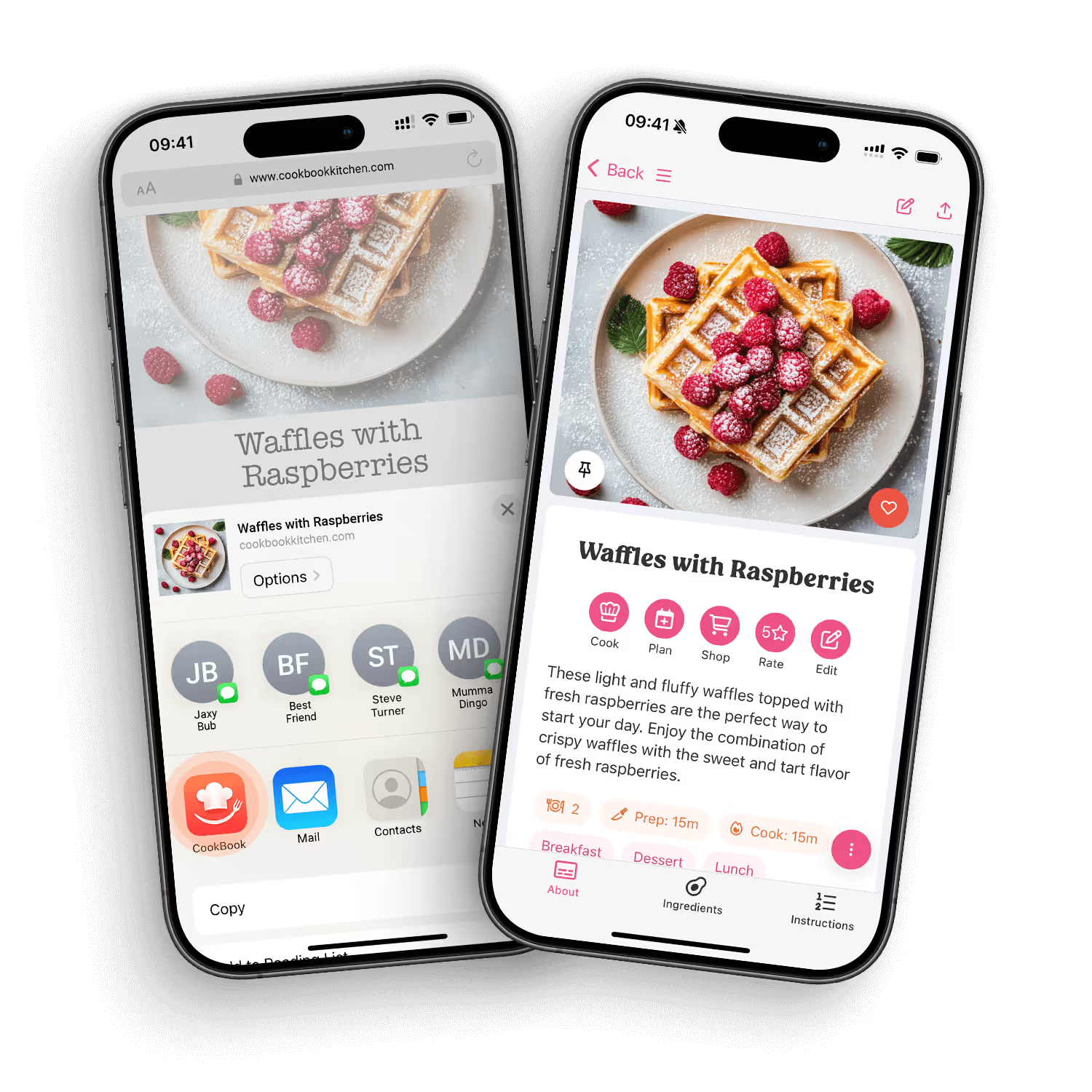
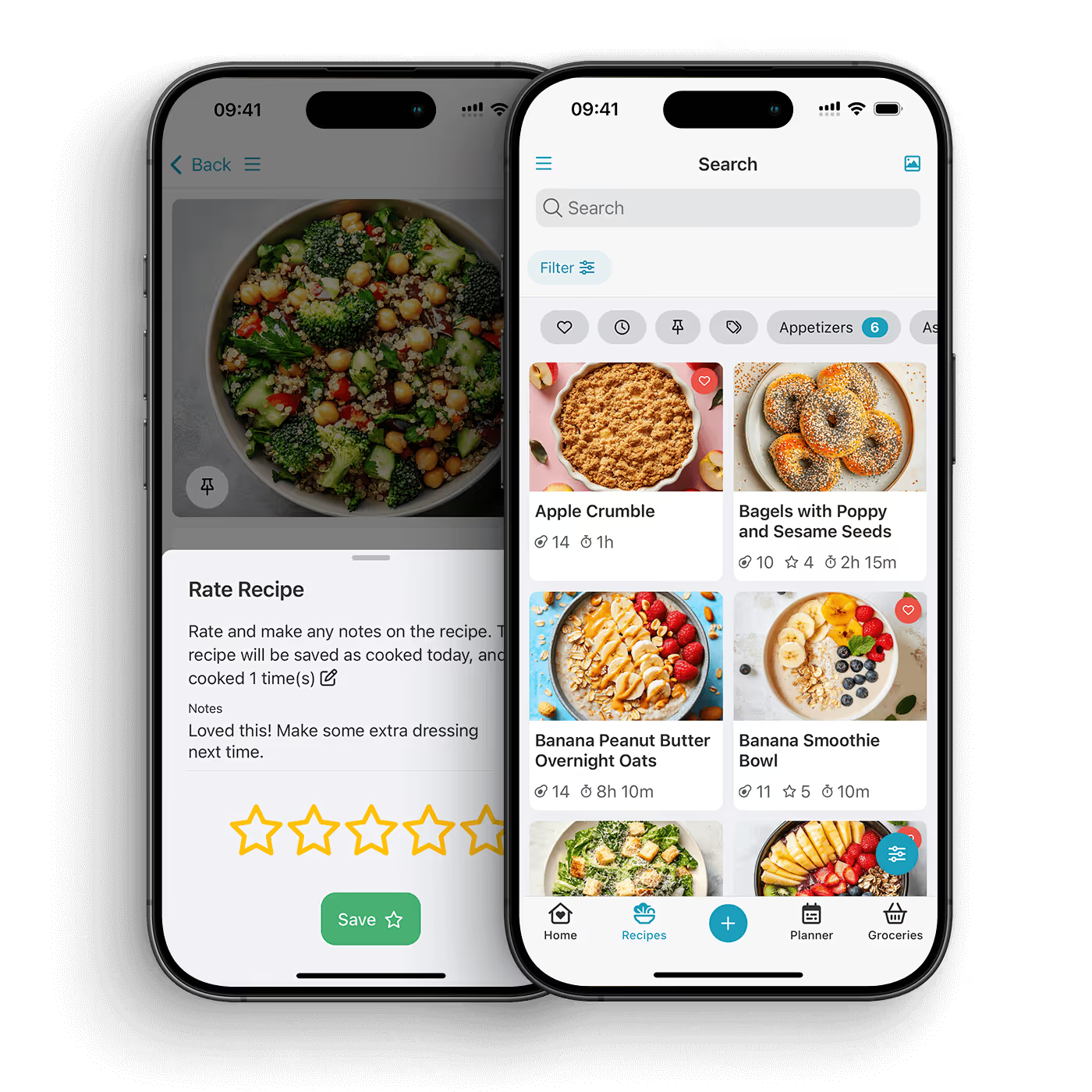
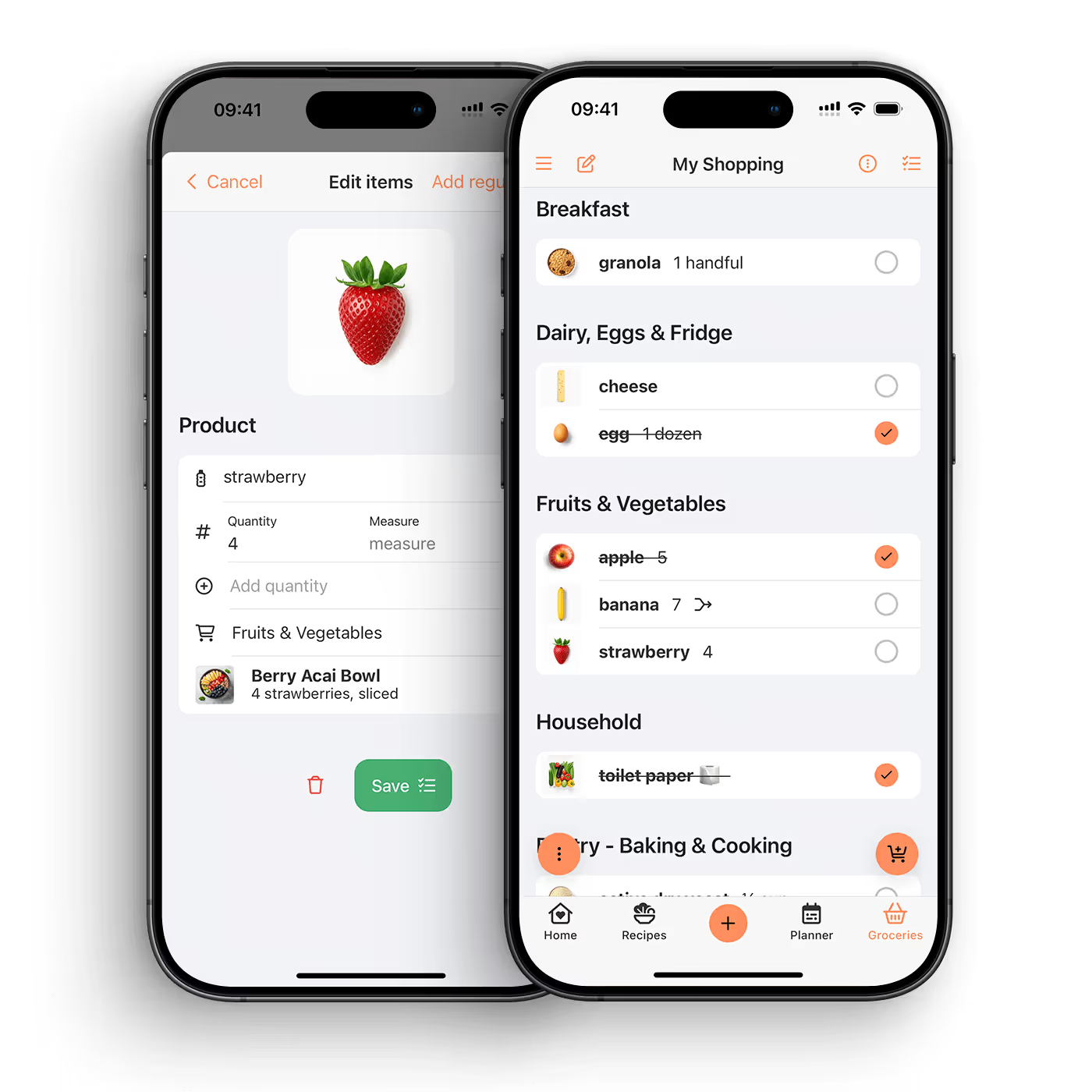
These are real CookBook product screens. They show how an imported recipe moves into an organised collection and then into a practical shopping list.
Think writing a recipe once is enough to save it for generations? Think again. Family recipes face constant risk of loss through faded handwriting, misplaced cards, and forgotten oral traditions. Digital archiving transforms scattered recipes into organized, searchable collections that preserve your culinary heritage while making everyday cooking easier. This guide reveals why archiving matters and how digital tools boost your confidence in the kitchen.
Why Archive Family Recipes? The Cultural and Emotional Importance
How Digital Archiving Enhances Meal Planning and Cooking Confidence
| Point | Details |
| Cultural preservation | Family recipes carry traditions and memories that define your heritage across generations. |
| Digital advantages | Organized digital archives enable quick search, meal planning automation, and cross-device syncing. |
| Beyond instructions | Effective archiving includes photos, videos, and stories that capture cooking techniques and family history. |
| Common mistakes | Simply writing recipes once without backup or organization fails to ensure lasting preservation. |
| Family engagement | Sharing digital cookbooks strengthens bonds and encourages collaborative recipe collection. |
Your grandmother’s lasagna recipe isn’t just instructions on paper. It’s a tangible link to your cultural identity, family traditions, and shared memories around the dinner table. Family recipes embody cultural heritage, memories, and family identity, making their preservation vital for maintaining these connections across generations.
Many families rely on oral traditions or handwritten cards stored in kitchen drawers. This casual approach puts irreplaceable knowledge at risk. Paper degrades, memories fade, and recipes vanish when family members pass without sharing their culinary wisdom.
Consider what happens when you preserve these recipes properly:
You maintain a living connection to ancestors and their cooking traditions
Children learn family history through the stories behind each dish
Cultural practices survive and adapt as new generations add their own touches
Holiday gatherings feel more meaningful when you recreate beloved family meals
“The recipes we inherit carry more than measurements. They carry the voices, hands, and hearts of those who came before us.”
Digital archiving solves the preservation challenge while making recipes more accessible. You protect cultural heritage and create a resource that strengthens family identity for preserving family recipes across time and distance.
Many home cooks believe they’ve preserved family recipes when they’ve simply rewritten them on fresh cards. This approach ignores organized and digital archiving, leaving recipes vulnerable to the same risks that threatened the originals.
Handwritten recipes face inevitable degradation. Ink fades, paper tears, and spills damage cards over time. Without digital backup, one kitchen accident can erase generations of culinary knowledge. You need redundant storage in formats that last.
Another widespread mistake treats recipe preservation as pure documentation. Writing “2 cups flour, 1 cup sugar” captures ingredients but misses the essence. Your aunt’s pie crust technique, your father’s stirring rhythm, your grandmother’s ingredient substitutions based on what’s available matter just as much as measurements.
Here are preservation pitfalls to avoid:
Storing all recipes in one physical location without backup copies
Neglecting to record the stories, origins, and family connections behind dishes
Failing to capture cooking techniques that aren’t written in instructions
Assuming younger family members will automatically learn recipes through observation
Waiting until recipes are needed instead of archiving them proactively
Pro tip: Interview family cooks while they’re preparing dishes. Record their verbal explanations, watch their hands, and document the unwritten steps that make their version special. These details transform basic recipes into treasured heirloads.
Effective archiving requires intentional systems that protect against loss while preserving common misconceptions on recipe preservation context and meaning. Digital tools make this achievable for every home cook.
Successful digital archiving starts with gathering everything. Collect handwritten recipe cards, cookbook pages with notes, emails from relatives, and schedule conversations with family cooks who share recipes verbally. You can’t preserve what you haven’t found.
Follow these steps to create lasting digital archives:
Photograph or scan every physical recipe at high resolution for clear text preservation
Type recipes into a dedicated digital recipe manager for searchability and organization
Add preparation photos showing key techniques like dough consistency or proper folding
Record videos of family members demonstrating complex procedures or signature moves
Include written stories about recipe origins, special occasions, and family memories
Organize recipes with tags for meal type, cuisine, dietary needs, and family member
Back up your archive to cloud storage and share access with trusted family members
Video recordings capture unspoken techniques and personalities that written instructions miss. Your grandfather’s kneading rhythm, your mother’s taste-testing face, your uncle’s improvisation style become part of the preserved recipe.
Digital recipe managers offer advantages that paper and generic documents can’t match. Search functions find recipes instantly by ingredient, occasion, or family member. Tags and categories create flexible organization. Scaling features adjust serving sizes automatically. Getting started with digital recipe archiving establishes systems that grow with your collection.
| Archiving Method | Time Required | Preservation Quality | Searchability |
| Handwritten cards | 5 min per recipe | Degrades over time | Manual browsing only |
| Typed documents | 10 min per recipe | Stable if backed up | Basic text search |
| Digital recipe manager | 8 min per recipe | Excellent with cloud backup | Advanced filtering |
| Video recordings | 15 min per recipe | Captures full context | Requires description tags |
Pro tip: Scan handwritten recipes first for safety, then type them for functionality. Keep original scans attached to digital entries so you preserve handwriting and personal touches alongside searchable text.
Digital preservation protects recipes while making them more useful. You create digital archiving techniques guide resources that serve daily cooking and family legacy simultaneously.
Organized digital recipe collections transform meal planning from stressful guesswork into confident decisions. When you can instantly search your family recipes by ingredient, dietary preference, or cooking time, you stop relying on restaurant takeout and rediscover home cooking.
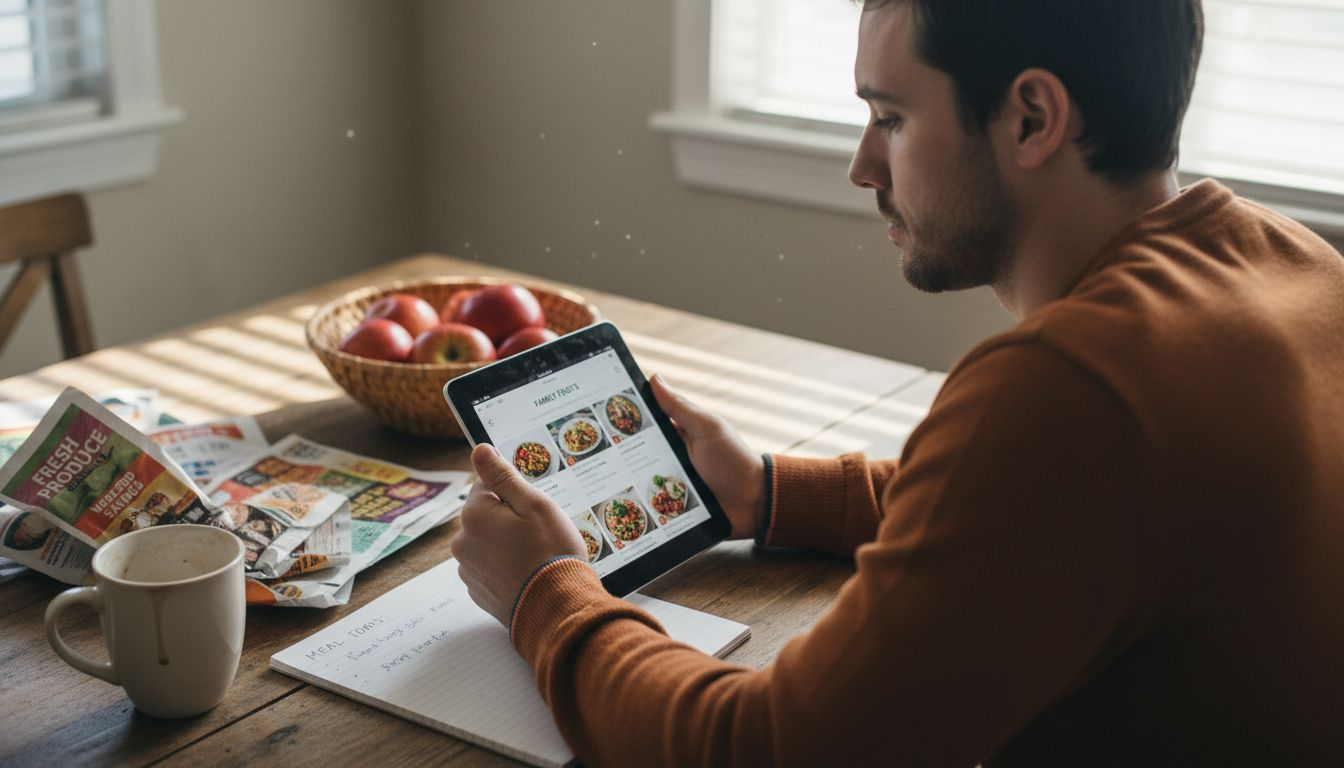
Creating a searchable digital archive enables quick filtering and retrieval, dramatically reducing the mental load of answering “what’s for dinner?” You filter for chicken recipes on busy weeknights, vegetarian options for guests, or celebration dishes for holidays. Decision fatigue disappears.
Research shows home cooks experience measurable improvements from digital organization. Studies indicate 70% of home cooks report improved meal planning and reduced cooking stress after implementing digital recipe systems. Confidence grows when you know exactly where to find tested, trusted recipes.

Organizing recipes by meal type, occasion, or ingredient within digital tools supports meal planning and shopping automation. Modern digital meal planning tools let you drag recipes into weekly calendars and generate consolidated shopping lists. You plan meals in minutes instead of hours.
Practical benefits of digital recipe archives:
Find specific recipes in seconds instead of flipping through boxes and notebooks
Scale serving sizes up or down automatically for different group sizes
Access your collection from phone, tablet, or computer wherever you cook
Generate shopping lists that combine ingredients across multiple planned meals
Track which recipes your family loves and cook favorites more often
Syncing across devices means you reference recipes on your phone while cooking, plan meals on your laptop, and share shopping lists with family members. Your recipe organization features work together seamlessly, eliminating the frustration of disorganized paper systems.
Digital archives turn cooking from uncertain experimentation into confident execution. You rely on proven family recipes, plan efficiently, and spend less time wondering what to make. Meal planning and recipe organization benefits extend beyond convenience to genuine cooking confidence.
Recipes become cookbooks when you add the stories that explain why they matter. Your digital archive gains emotional depth and family significance when each recipe includes the memories, traditions, and personalities behind the food.
Enrich your digital cookbook with context:
Write brief stories about who created the recipe and when family members first tasted it
Add photos of the original recipe cards, cookbook pages, or handwritten notes
Include pictures of family gatherings where the dish appeared over the years
Record audio or video of relatives explaining their connection to specific recipes
Note ingredient substitutions family members made based on availability or preference
Document regional variations as recipes traveled with family members to new places
Sharing digital archives with family members encourages collaborative recipe collection and preserves diverse culinary traditions. When cousins across the country contribute their versions of grandmother’s soup, you capture how the recipe evolved in different kitchens.
Digital cookbooks create lasting legacy projects. As new generations add recipes and stories, the collection becomes a living family history. Children see their great-grandparents’ handwriting, watch videos of relatives cooking, and understand their heritage through food.
| Preservation Method | Capacity | Family Access | Multimedia Support | Long-term Durability |
| Handwritten cards | Limited by storage | Single location | None | Degrades over time |
| Printed cookbook | 50-200 recipes | Must photocopy | Static photos only | Excellent if stored properly |
| Digital recipe manager | Unlimited | Cloud sharing | Photos, video, audio | Excellent with backups |
Pro tip: Start building digital cookbooks by focusing on recipes at risk of being lost first. Interview elderly relatives, digitize fragile cards, and capture oral recipes before they disappear. Expand the collection gradually as time permits.
Modern platforms for adding and importing recipes make collaborative cookbook building simple. Family members contribute from anywhere, ensuring diverse perspectives get preserved. Compare recipe app options to find tools that match your family’s needs.
Digital family cookbooks honor the past while serving the present. You preserve cultural heritage and create practical resources that strengthen family recipe sharing benefits and connections across generations.
Ready to transform scattered family recipes into an organized digital archive? CookBook simplifies recipe preservation with powerful search, flexible organization, and cross-device syncing. Import recipes from websites, scan handwritten cards, and build searchable collections that preserve your culinary heritage.
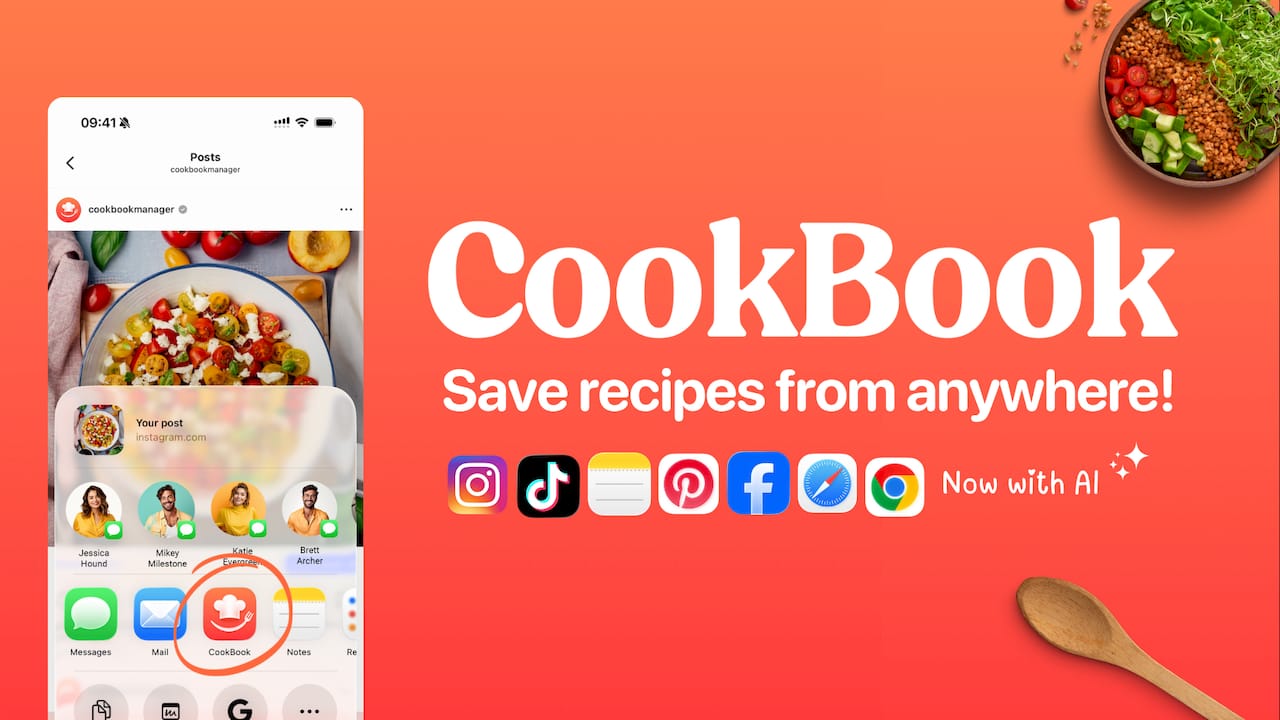
The CookBook app combines archiving with practical meal planning tools. Create weekly meal plans, scale recipes for any group size, and generate smart shopping lists that sync across all your devices. Access your family cookbook anywhere while planning meals and cooking with confidence. Get started with CookBook today and protect your family’s culinary legacy while making everyday cooking easier with meal planner and shopping list features designed for home cooks.
Update your archive immediately after family gatherings, holidays, or conversations where recipes are shared. Add new recipes within a week while details remain fresh. Review and enhance existing entries quarterly by adding photos, stories, or technique notes you’ve learned.
Dedicated recipe management platforms provide the best long-term storage because they’re designed for search, organization, and backup. Plain text or PDF formats work as secondary backups. Always maintain copies in cloud storage plus at least one local backup on an external drive.
Absolutely. Record audio or video of family members explaining recipes, then attach files to digital recipe entries. Transcribe key points into written notes for searchability. Oral histories capture personality, technique details, and emotional connections that written recipes miss.
Sharing creates opportunities for connection across distances. Family members collaborate on preserving heritage, contribute their recipe variations, and participate in collective memory-keeping. Younger generations engage with family history through accessible digital formats, strengthening bonds through shared culinary traditions.
Contact relatives who might remember details and schedule cooking sessions to fill gaps. Document your best attempts at recreating recipes and note what you’re uncertain about. Incomplete recipes preserved with context are more valuable than perfect recipes lost forever.
Make contributing easy by accepting recipes in any format: photos, emails, texts, or voice messages. Share preview access to the growing collection so family sees their contributions. Assign specific recipe categories to different relatives based on their specialties and interests.


